SpaceX’s Falcon 9 Booster Landing Team is the inaugural winner of Purdue University’s Neil Armstrong Space Prize. On April 21, 2026, Purdue named the SpaceX team the first laureate of the Neil Armstrong Space Prize for its reusable rocket system, recognizing five engineers behind Falcon 9’s vertical landing capability.
The recognition centers on cost. Selection committee chair Dan Dumbacher said reusability from vertical landing has been key to lowering the cost of launching payloads, noting that Falcon 9 flew 164 launches in 2025 and that one booster was used more than 30 times.
How Falcon 9 Vertical Landing Made Reusable Rockets Practical
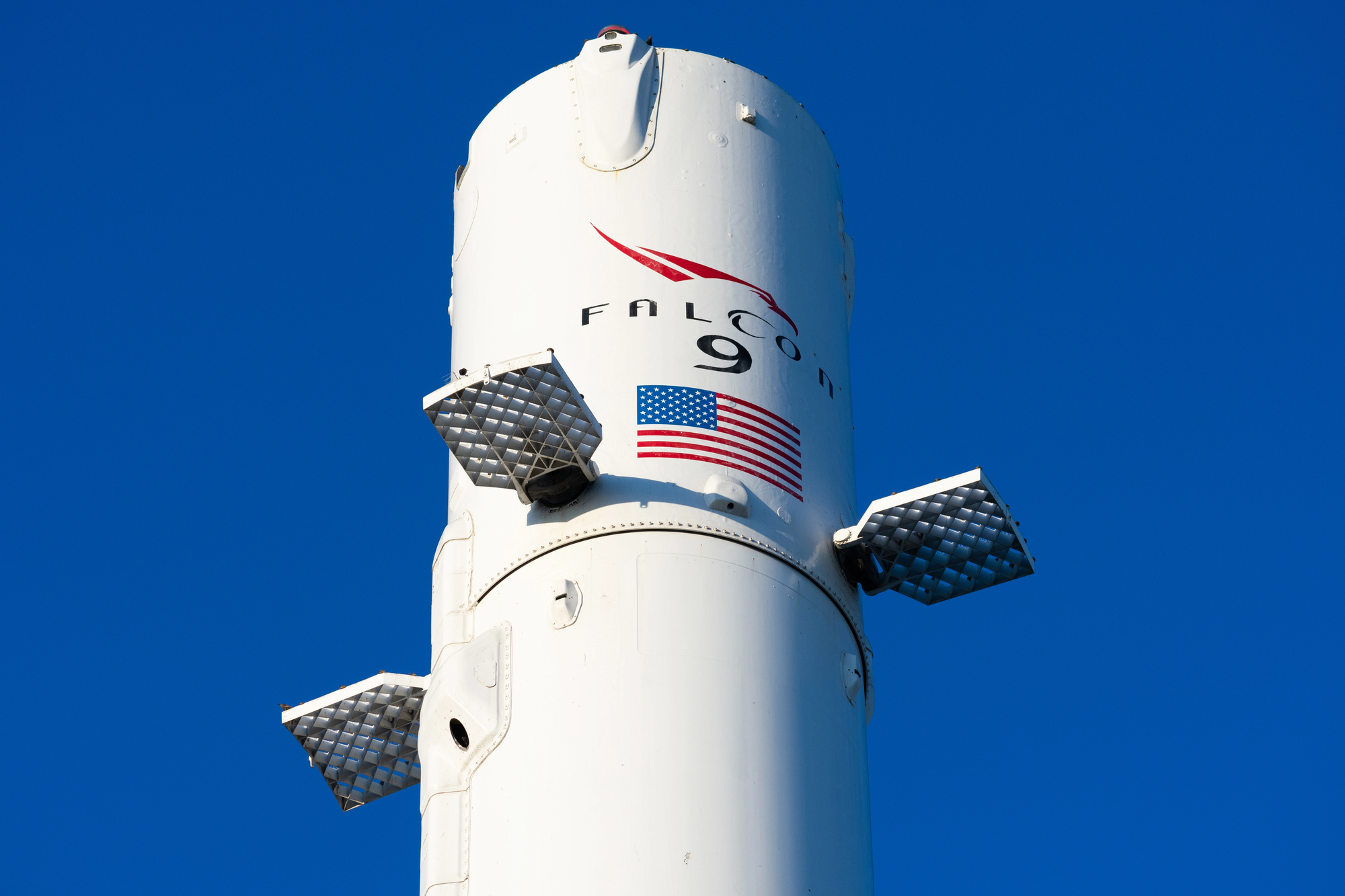
Falcon 9 is a two-stage rocket. Rather than discarding the first-stage booster after each launch, SpaceX lands it vertically so it can fly again. Purdue honored team members Lars Blackmore, Shana Diez, Jon Edwards, Yoshiaki Kuwata, and Eduardo Velazquez for developing that capability.
Dumbacher said the deciding factor among a long list of nominees was the team’s clear and visible impact on humanity.
Inside Purdue’s Neil Armstrong Space Prize
Named for Purdue alumnus Neil Armstrong, the international prize recognizes excellence over the past 10 years in three categories: innovation, discovery, and human achievement. The SpaceX team was honored in the innovation category. Purdue describes the award as aspiring to be a Nobel for space. The team formally received the prize on September 15 at the Cosmos Club in Washington, D.C.
About SpaceX
SpaceX designs, builds, and launches rockets and spacecraft, including Falcon 9, Dragon, and Starship. SpaceX is a Jetstream Venture Fund portfolio company, and Jetstream closed a private secondary investment in SpaceX in February 2026.
Frequently Asked Questions
What is the Neil Armstrong Space Prize?
The Neil Armstrong Space Prize is Purdue University’s international award recognizing excellence over the past decade in space innovation, discovery, and human achievement. Named for Purdue alumnus Neil Armstrong, it was first awarded in 2026 to SpaceX’s Falcon 9 Booster Landing Team.
Why did SpaceX’s Falcon 9 team win the Neil Armstrong Space Prize?
The five-member team won in the innovation category for developing Falcon 9’s vertical booster landing capability. Purdue’s selection committee cited reusability as key to reducing payload launch costs, noting that Falcon 9 completed 164 launches in 2025.
Read the Original Article: SpaceX team wins Purdue’s first Neil Armstrong Space Prize for its reusable rocket system